

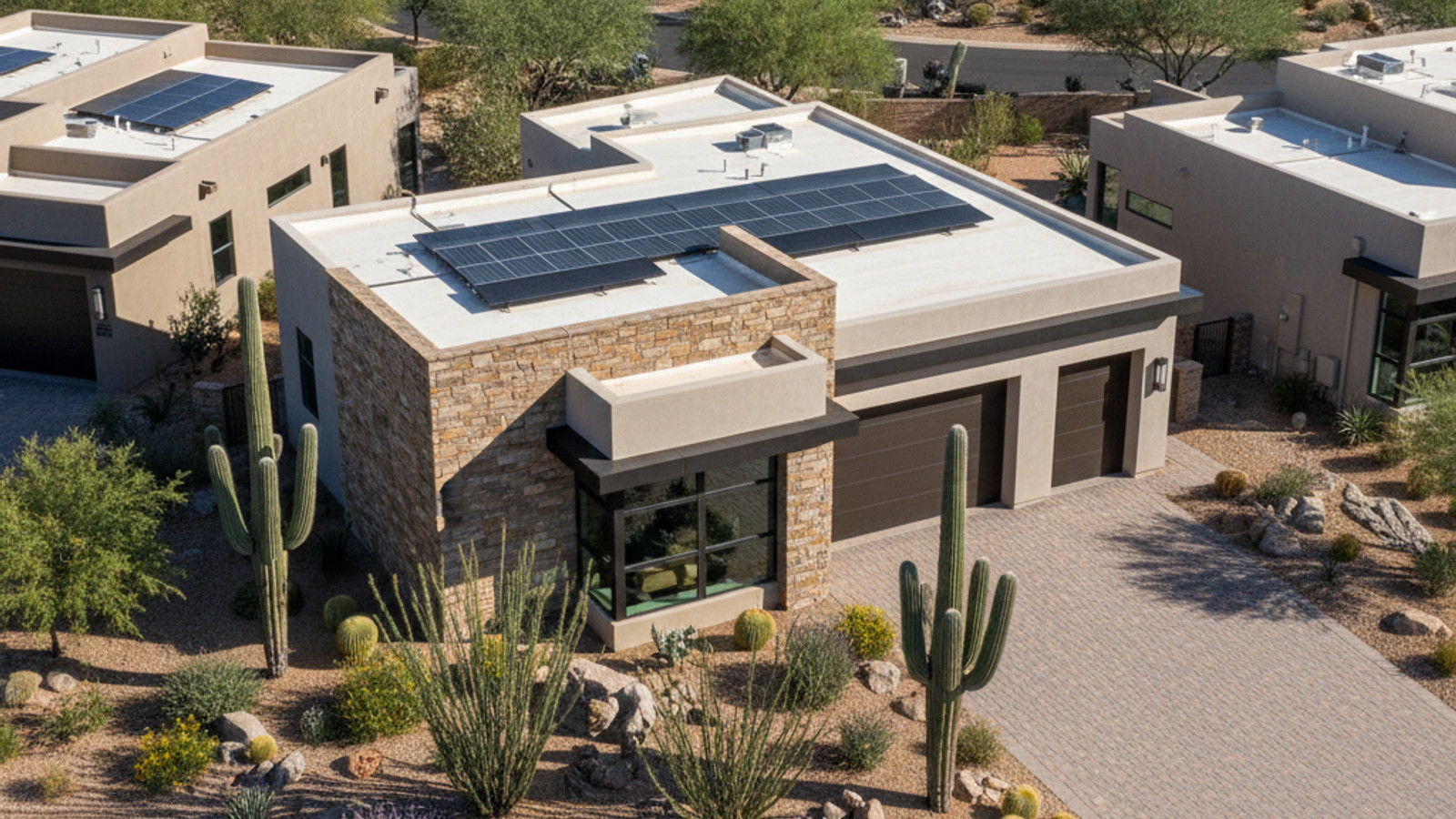
The median home price in Scottsdale, AZ currently hovers around $965,000 to $1,000,000. Properties are moving, but the timeline depends on the specific neighborhood and price tier. Homeowners looking for the best way to sell their home in Scottsdale, AZ need a solid strategy to attract the right buyer, just as those buying a home in Scottsdale, AZ must be ready for competitive conditions.
Buyers in Maricopa County expect move-in ready conditions, especially when paying top dollar. Sellers need to account for everything from HVAC performance to exact commute times before putting a property on the MLS. Understanding these local nuances helps maximize the final sale price.
Current Scottsdale Market Trends and Prices
Single-family homes in North Scottsdale and the surrounding areas average roughly $430 to $469 per square foot. Pricing varies based on lot size, updates, and proximity to major amenities. Buyers remain active, but they are taking their time to evaluate listings against recent comparable sales.
Average days on market range from 56 to 90 days depending on the property type. Entry-level townhomes tend to move toward the lower end of that spectrum, while luxury estates require a longer listing period to find the right match. Overpricing a property right out of the gate often extends these timelines.
The current sale-to-list ratio sits around 96.5%. This means most sellers are accepting offers slightly below their initial list price after some negotiation. Pricing a home correctly from day one prevents frustration during the contract phase.
Getting Your Property Ready for the Desert Climate
Summer temperatures in Maricopa County routinely exceed 110 degrees, making cooling systems a top priority for buyers. An air conditioning unit struggling to keep up during a July showing will instantly deter offers. Buyers want proof that the home can handle the heat without requiring immediate repairs.
Outdoor living spaces receive just as much scrutiny during open houses. A neglected pool or overgrown desert landscaping signals deferred maintenance to a prospective buyer. Addressing these specific areas before listing keeps the focus on the home’s features rather than its flaws.
- HVAC servicing: Sellers should have their AC units inspected and serviced. Buyers typically look for systems rated at 14 SEER or higher for energy efficiency.
- Pool maintenance: Sellers should ensure the pool pump, filter, and cleaning systems are fully operational. A sparkling pool is a major selling point, while a green or cloudy one is a massive red flag.
- Landscaping updates: Trimming palo verde trees and refreshing the gravel or crushed granite improves curb appeal. Clean, low-maintenance desert landscaping appeals to out-of-state buyers looking for easy upkeep.
Setting the Right Price for Your Property
A comparative market analysis forms the foundation of any solid pricing strategy. This report evaluates recent sales of similar homes in your specific zip code to establish a baseline market value. Looking at active listings only shows what neighbors are asking, not what buyers are willing to pay.
The listing price acts as a marketing tool to generate showings, while the final sale price is the exact number agreed upon in the contract. Aiming too high above the comparative market analysis data often leads to stagnant listings. Buyers and their agents track how long a property sits on the MLS.
A home that sits for 90 days without an offer usually requires a price reduction to regain traction. Buyers often assume something is wrong with a house that lingers on the local market. Pricing just below a major search threshold, like $999,000 instead of $1,010,000, keeps the property visible to more potential buyers.
Which Location Details to Include in Your Listing
Property descriptions often waste space with generic adjectives instead of highlighting factual location data. Buyers relocating to Scottsdale want to know exactly how far they are from daily conveniences and major employers. Specific distances and drive times provide immediate value to someone scanning dozens of listings.
Highlighting nearby recreation and transit options helps buyers picture their daily routine. Commuters care about highway access, while outdoor enthusiasts look for nearby trails. Listing these details directly in the MLS description reduces questions and drives more targeted showings.
- Highway access: Mention the exact drive time to the Loop 101 freeway. This is a primary metric for buyers commuting to Phoenix or Tempe.
- Shopping and dining: Note the distance to major hubs like Scottsdale Quarter, Kierland Commons, or Old Town Scottsdale.
- Outdoor recreation: List the proximity to the McDowell Sonoran Preserve and specific local trailheads.
What Sellers Pay in Maricopa County Closing Costs
Arizona sellers generally pay between 6% and 8% of the final sale price in closing costs. The bulk of this expense goes toward real estate agent commissions, which cover both the listing agent and the buyer’s agent. These fees are deducted directly from the seller’s net proceeds at the title company.
Escrow and title fees make up another portion of the closing costs. The title company charges a fee to manage the transaction and ensure a clear transfer of ownership. Sellers also pay for a standard owner’s title insurance policy to protect the buyer against any past claims on the property.
Unlike many other states, Arizona does not charge a percentage-based real estate transfer tax. Maricopa County simply charges a flat recording fee, which is usually around $30. This lack of a transfer tax keeps slightly more money in the homeowner’s pocket at closing.
Listing on the MLS versus Selling to a Cash Buyer
The traditional route of hiring a real estate agent and listing on the MLS generally yields the highest final sale price. This process involves professional photography, staging, open houses, and regular showings. It also requires the seller to keep the house pristine and accommodate buyer schedules over the 56 to 90 days it takes to secure a contract.
A cash home buyer offers a completely different timeline and experience. Investors and cash buyers purchase properties as-is, meaning the seller skips all repairs, staging, and showings. This route bypasses the traditional financing contingencies and appraisals that sometimes cause conventional deals to fall through.
Selling for cash makes sense for homeowners prioritizing speed and convenience over maximum profit. Cash transactions can close in a matter of days rather than months. Sellers should weigh this convenience against the likelihood of receiving an offer below full market value.
Common Questions About Selling a Scottsdale Property
How much tax do you pay when you sell a house in Arizona?
Arizona does not levy a state or county real estate transfer tax on property sales. Sellers only pay a nominal flat recording fee of about $30 to Maricopa County. You may still owe federal capital gains tax depending on your profit margin and how long the property served as your primary residence.
What is the hardest month to sell a house in Scottsdale?
August is traditionally the most challenging month for listings in the Valley. Peak summer temperatures keep many buyers indoors, and local residents are focused on the start of the school year. Showings drop off sharply during this window, often leading to longer days on market.
Are home prices falling in Scottsdale?
Prices are holding steady in 2026, with the median sale price remaining near the $1,000,000 mark. While the aggressive bidding wars of past years have cooled, property values are not seeing broad declines. Well-maintained homes in North Scottsdale continue to attract strong offers when priced correctly.