

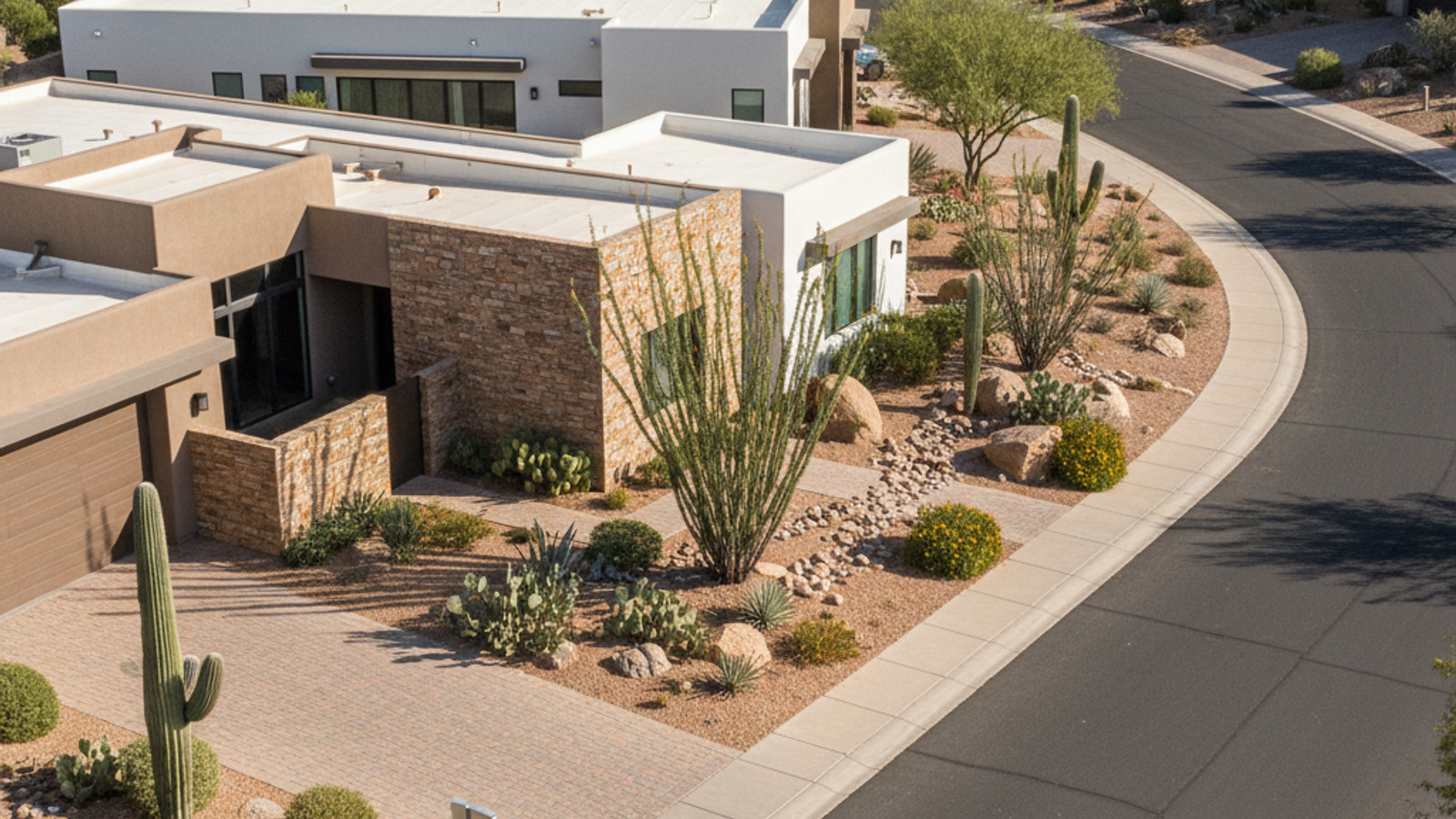
The median home price in Scottsdale, AZ currently hovers around $850,000 to $900,000, which prices out many prospective buyers relying on traditional savings alone. Saving a standard 20 percent down payment for a median-priced home here requires banking nearly $180,000 in cash. However, high median prices do not tell the whole story of the local market in 2026. Buyers can still find entry-level condos and townhomes starting near $400,000, making homeownership a realistic goal.
Securing one of these properties often comes down to financing strategy rather than pure cash reserves. Rent prices across Maricopa County remain elevated, making it difficult for residents to build a massive savings account while paying monthly living expenses. Several regional and state-level initiatives provide down payment and closing cost funds to qualified applicants to bypass this hurdle.
Most assistance funds pair seamlessly with standard FHA, VA, or Conventional mortgages. The underlying loan provides the bulk of the purchase price, while the assistance covers the upfront cash requirement. Understanding how to use Homebuyer Assistance Programs in Scottsdale, AZ can help you keep your savings intact while securing a primary residence.
Scottsdale Real Estate Prices and How Assistance Fits In
Scottsdale property values remain among the highest in Maricopa County. Luxury estates in North Scottsdale neighborhoods like DC Ranch and Troon North push the median data upward, skewing the perception of average prices. The southern and central corridors offer much more accessible housing options that align with state funding limits.
Condos and townhomes in these areas provide a practical entry point for buyers utilizing financial help. However, buyers should factor monthly Homeowner Association dues into their overall budget. Scottsdale features many master-planned communities, and those monthly HOA fees must be included when calculating your debt-to-income ratio for loan approval.
Many buyers assume down payment assistance is only for lower-income applicants purchasing distressed properties. In truth, these funds represent a smart financial strategy for middle-income earners who want to preserve their cash liquidity. Keeping your personal savings in the bank while using state funds for your down payment protects you against unexpected home repairs.
Using these programs also allows buyers to enter the market sooner rather than waiting years to save a larger down payment. Property appreciation in Maricopa County often outpaces the average resident’s ability to save cash. Purchasing a $450,000 townhome now with assistance allows you to start building equity immediately.
Top Down Payment Programs for Maricopa County Buyers
Because Scottsdale is located within Maricopa County, buyers here have access to a robust network of regional and state-level funding. These initiatives do not originate directly from the city itself, but rather through approved local lenders who disburse the funds at closing. Most of these options function as secondary mortgages or matching grants that cover your upfront costs.
Interest rates on the primary mortgage tied to these programs may differ slightly from the standard open market rates. State housing authorities set the daily interest rates for these specific loan products. You should ask your lender to map out the exact monthly payment based on the program’s assigned rate versus a traditional loan.
Every buyer presents a unique financial profile, meaning the best program for your neighbor might not be the best one for you. You should compare the benefits of each option against your specific household income and purchase timeline. Maximizing your purchasing power requires matching your financial situation to the correct funding source.
Home in Five Advantage Program
The Home in Five Advantage program targets Maricopa County buyers with generous upfront funding. Applicants can receive up to 6% of their total loan amount to use toward their down payment and closing costs. First responders, K-12 educators, and military personnel can secure an additional 1% in assistance.
This extra percentage point recognizes the civic contributions of these professions and provides thousands of extra dollars at closing. This option is available to both first-time and repeat buyers. For 2026, the maximum credit-qualifying income for all borrowers on the loan cannot exceed $141,820.
This relatively high income cap makes the program accessible to a broad segment of the local workforce. The funds are provided as a three-year forgivable loan, meaning the balance decreases each month you live in the property. If you remain in the home for thirty-six months, the secondary lien is completely erased.
Arizona Home Plus Program
The statewide Arizona Home Plus program operates as a deferred, soft second mortgage. Buyers receive up to 4% of the purchase price in the form of a 0% interest loan. This second mortgage requires no monthly payments and is typically forgiven entirely after you live in the home for 60 months.
If you sell the home or refinance the primary mortgage before those five years pass, you must repay a prorated portion of the assistance. To qualify this year, your household income cannot exceed $155,386. The program also requires a minimum credit score, which generally sits at 640.
If you plan to stay in your Scottsdale property for at least five years, this forgivable loan offers excellent long-term value. It eliminates the need for a massive upfront cash reserve while demanding zero monthly payments.
The WISH Matching Grant Program
The Workforce Initiative Subsidy for Homeownership provides a powerful 4-to-1 matching structure. For every $1 the buyer contributes toward the purchase, the program provides $4 in grant money. A buyer who puts $5,000 of their own money into the transaction receives $20,000 in matching funds.
The maximum grant amount currently reaches up to approximately $32,800. Unlike the previous two options, this grant is restricted to first-time homebuyers earning at or below 80% of the Area Median Income. Your required contribution can come from personal savings or acceptable gift funds from a family member.
Buyers who meet the income limits find this to be one of the most lucrative funding sources available. Because it is a true grant, there is no secondary loan to repay or forgive over time.
Who Qualifies for These Programs
The specific rules vary by funding source, but a few universal baseline requirements apply across most Arizona housing initiatives. The property must serve as your primary residence, and underwriters will not waive this rule. Buyers must occupy the home within 60 days of closing, meaning investment properties and second homes do not qualify.
Lenders verify occupancy through utility bills and tax records after the sale is complete. Beyond personal income, the property itself must fall under specific purchase price limits. For 2026, most Maricopa County programs cap the allowable purchase price well above the entry-level condo market, giving buyers plenty of inventory to choose from.
Financial benchmarks also play a major role in the approval process. Most participating lenders look for a minimum FICO credit score of 640 and a debt-to-income ratio below 45% to 50%. Your debt-to-income ratio compares your gross monthly income to your mandatory monthly debt payments, including the projected new mortgage.
You should aggressively pay down credit card balances and personal loans before applying to keep your debt ratio within the acceptable range. Underwriters will also scrutinize your employment history to ensure income stability. You generally need a two-year track record in the same industry to satisfy the lender’s risk assessment.
Education is another mandatory component of the approval process. Applicants must complete an eight-hour homebuyer education course through a HUD-approved agency before they can close on a property. This class covers budgeting, loan terminology, and home maintenance basics to ensure buyers are prepared for the responsibilities of ownership.
How to Apply for Funding
Housing authorities do not accept direct applications from the public. Instead, the process flows entirely through local mortgage professionals who have been vetted and approved to disburse the funds. Attempting to contact the county directly will simply result in a referral to a participating bank or broker.
You must work with an institution that has the specific software and training to process Maricopa County assistance loans. Securing your funding requires a logical sequence of steps. Buyers should follow this path to ensure they do not miss any deadlines or documentation requirements:
- Compile two full years of W-2s, your most recent pay stubs, and tax returns to verify your income against the program caps.
- Interview and select a state-approved participating lender who understands the nuances of Maricopa County funding.
- Register for the mandatory eight-hour homebuyer education class early in the process to secure your completion certificate.
- Obtain a formal pre-approval letter detailing your maximum purchase price and total assistance amount.
- Partner with a local real estate agent to locate qualifying properties within Scottsdale city limits.
Having your pre-approval letter in hand before touring homes gives you a distinct advantage. Sellers view offers backed by verified down payment assistance as credible and reliable. An agent familiar with these programs can also help you identify properties that easily pass the mandatory safety and habitability inspections required by the lenders.
The condition of the property also matters when using government-backed assistance. Homes with severe structural damage, missing appliances, or exposed wiring will likely fail the mandatory appraisal process. You should focus your search on move-in ready properties or those needing only minor cosmetic updates to avoid loan denial.
Frequently Asked Questions
What is the minimum credit score to buy a house in Arizona using assistance?
Most participating lenders require a baseline FICO score of 640 to access state and county funding. Some specific loan products might accept a 620 score, but a 640 opens up the widest variety of matching grants and forgivable loans. Buyers with scores below this threshold should focus on debt reduction before submitting an application.
What is the Arizona Homeowner Assistance Fund Program?
This fund provides post-purchase foreclosure prevention rather than upfront help for new buyers. It assists current homeowners who experienced financial hardships with mortgage payments, utility bills, and property taxes. If you are looking to purchase a new property in Scottsdale, AZ, you will need to use programs like Home Plus or WISH instead.
Are you required to be a first-time homebuyer to qualify in Scottsdale?
Many buyers are surprised to learn that several major initiatives are open to repeat buyers. While the WISH matching grant is exclusively for first-time purchasers, both the Home in Five Advantage and Arizona Home Plus programs allow previous homeowners to apply. As long as you meet the income caps and plan to use the new property as your primary residence, you can secure funding.