
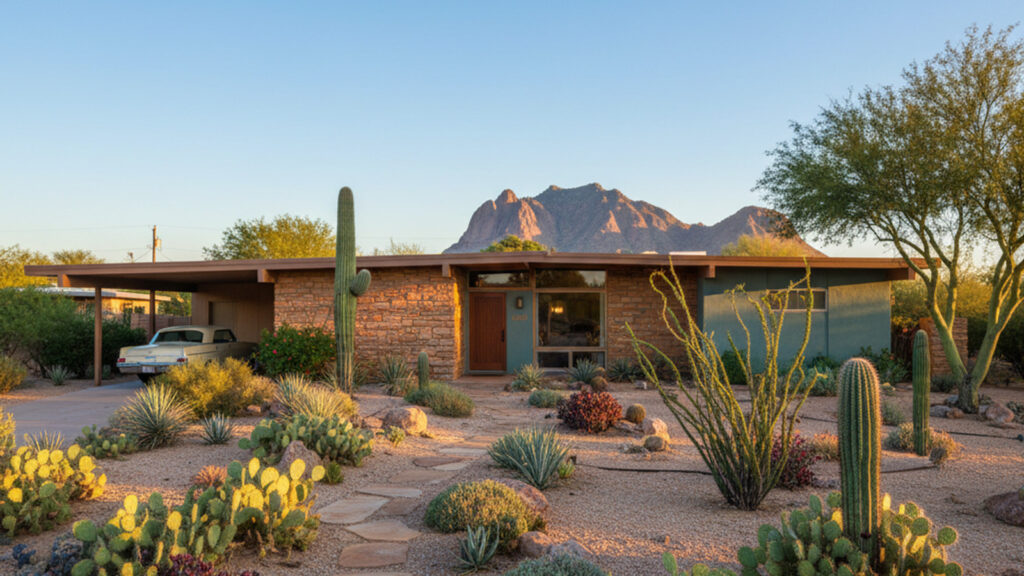
Scottsdale, AZ receives over 300 days of sunshine a year, making it a major draw for buyers wanting warm weather and mountain views. The city stretches across 31 miles from north to south, offering distinct environments ranging from dense urban blocks to wide-open desert acreage.
Relocating here means adjusting to a specific desert climate and a unique housing market. Buyers looking at this area will find a mix of luxury condominiums, mid-century single-family houses, and large estates backing up to mountain preserves. Understanding the local tax structure, commute patterns, and neighborhood layouts helps narrow down the right part of the city for your budget.
Everyday Living Costs and State Taxes
The overall cost of living index in Scottsdale sits around 130, meaning everyday expenses run about 30% higher than the national average. Housing drives the bulk of this difference, but utility costs also play a major role. Air conditioning runs constantly from May through October, pushing summer electricity bills well above what buyers from cooler climates might expect.
Arizona offers a straightforward tax structure that offsets some of these higher living costs. The state applies a flat income tax rate of 2.5%, which leaves more take-home pay compared to higher-tax states like California or New York. Property taxes are also relatively low by national standards.
Maricopa County calculates property taxes using an assessed value rather than the full market price. For a primary residence, the assessment ratio is set at 10% of the home’s limited property value. The effective property tax rate in the area hovers around 0.51%, keeping annual tax bills manageable even on higher-priced homes.
Scottsdale Real Estate and Property Types
As of May 2026, the median home price in Scottsdale ranges between $850,000 and $965,000, depending on the specific zip code. Prices scale upward as you move north toward the McDowell Mountains. Inventory moves at a steady pace, and buyers should expect competition for updated homes priced under the million-dollar mark.
South Scottsdale offers the most accessible entry points into the market. This area features older, single-family homes built in the 1960s and 1970s, many of which sit near public parks and the Loop 101 freeway. Buyers targeting this section often find properties without homeowners association fees.
Moving toward Downtown and Old Town Scottsdale shifts the focus to attached housing. Luxury condominiums and townhomes dominate these blocks, putting residents within walking distance of retail centers and local dining. These properties often include community pools and fitness centers, though buyers should factor monthly HOA dues into their budget.
North Scottsdale and the areas bordering Paradise Valley consist largely of planned communities and custom estates. Houses here feature larger lots, native desert landscaping, and frequent views of Camelback Mountain or Pinnacle Peak. Buyers in these northern zip codes will almost always deal with an HOA, which enforces rules on exterior paint colors and yard maintenance.
Parks, Golf Courses, and Local Amenities
The McDowell Sonoran Preserve covers over 30,500 acres of protected land in the northern half of the city. This area provides 225 miles of shared-use trails for hiking, mountain biking, and horseback riding. Camelback Mountain and Pinnacle Peak offer shorter, steeper climbs that draw consistent foot traffic during the cooler morning hours.
Golf serves as a primary economic driver and recreational outlet for the city. The area contains dozens of private and public courses, ranging from desert target-style layouts to traditional green parklands. TPC Scottsdale hosts the Phoenix Open every February, drawing hundreds of thousands of spectators to the city.
Shopping and healthcare infrastructure scale alongside the residential growth. Major medical providers like HonorHealth operate multiple hospital campuses and outpatient centers throughout the city limits. For retail, the area features a mix of high-end indoor malls and walkable outdoor districts:
- Scottsdale Fashion Square: Located near the downtown core, this indoor mall houses luxury retailers, department stores, and a large movie theater.
- Old Town Scottsdale: The historic center features dozens of art galleries, boutique shops, and restaurants along pedestrian-friendly streets.
- Kierland Commons and Scottsdale Quarter: These neighboring outdoor complexes in the northern part of the city offer mixed-use retail, dining, and office space.
Commutes, Transit, and Employment
Driving remains the primary mode of transportation across the Valley of the Sun. The Loop 101 freeway serves as the main north-south artery through Scottsdale, connecting residents to the broader Phoenix, AZ metropolitan area. A typical morning commute from central Scottsdale to Downtown Phoenix takes roughly 25 to 30 minutes, though traffic volume increases during the winter months.
Frequent travelers benefit from close proximity to Phoenix Sky Harbor International Airport. Residents in South Scottsdale can reach the terminals in 15 to 20 minutes outside of rush hour. Those living further north should budget 35 to 40 minutes for the airport drive.
Public transit options exist within the city limits, though they do not replace a personal vehicle for regional travel. The free Scottsdale Trolley system runs multiple routes connecting residential neighborhoods to schools, parks, and the downtown transit center. Major employers in the immediate area focus on healthcare, technology, and tourism, keeping many residents from needing to commute out of the city at all.
Local Schools and Higher Education
The Scottsdale Unified School District (SUSD) serves approximately 21,000 students across 29 different campuses. The district boundaries cover most of the city, along with portions of neighboring Paradise Valley and Phoenix. Many residential subdivisions incorporate elementary and middle schools directly into their neighborhood layouts, allowing students to walk or bike to class.
Several specific campuses draw attention from buyers researching the area. Desert Mountain High School in the northern part of the city offers an International Baccalaureate program. Charter schools also operate within the city limits, including Basis Scottsdale, which frequently appears in national academic rankings.
Higher education access extends just beyond the southern border. Arizona State University‘s main campus sits in neighboring Tempe, AZ, a short drive from South Scottsdale. The city also hosts a branch of Scottsdale Community College, which sits on land leased from the Salt River Pima-Maricopa Indian Community.
Frequently Asked Questions
Is Scottsdale an expensive place to live?
Yes, living here costs more than the national average, primarily due to housing expenses. While the overall cost of living index is 130, everyday items like groceries and transportation align closer to standard national prices. Buyers paying $850,000 for a home will find their property tax burden lower than in many comparable luxury markets.
What are the pros and cons of living in Scottsdale, AZ?
The immediate access to 225 miles of desert trails and consistent winter sunshine stand out as major benefits. On the downside, summer temperatures regularly exceed 105 degrees, forcing residents indoors and driving up monthly cooling bills. The reliance on a personal vehicle for daily errands also deters buyers looking for a fully walkable urban lifestyle.
How much money do you need to live in Scottsdale, AZ?
A household should aim for an income that comfortably supports a million-dollar mortgage if they want to buy a detached home in the northern zip codes. Renters or condo buyers in the southern half of the city can manage on less, as attached units frequently list under $600,000. Factoring in the flat 2.5% state income tax helps buyers calculate exactly how much of their gross pay will cover housing.